
Milk Prices

Changing market signals are pushing one Arizona dairy to move away from Jerseys, using IVF embryos to quickly build more Holsteins and reshape the herd for better profitability.

Kansas leads a 30-year high for the U.S. dairy herd as production surges 25.4%, anchoring a massive geographic shift toward the high-precision infrastructure of the High Plains.

Federal government will cut the bureaucracy to support the dairy industry, focused on tougher measures to stop major animal disease problems and improve labor availability.

Economics suggest producers will keep cull rates low.

Last week, the U.S. dollar had the worst week-to-week performance since 1995 and that, combined with global dairy price premiums, should spark some export interest and support domestic prices.

The dairy cattle market is currently experiencing an unprecedented surge in demand, creating a bustling atmosphere in the industry. As the competition heats up, market players are closely observing what is currently trending – is it beef-on-dairy calves or the traditional dairy replacements and fresh cows?
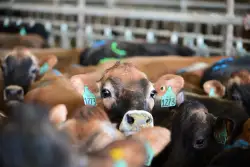
The latest USDA Milk Production Report reveals the true impact HPAI has had on dairies.

Fewer cows went to their local sale barns in the month of June compared to months prior.

“If they could not turn things around, this family would be losing their dairy farm and their house too.”

Cow numbers are lower than a year ago, but fewer cows are being culled than anticipated. The lower availability of replacements and strong interest in beef-on-dairy may influence the level of culling.

As long as the beef market is hot, the key for producers will be maintaining the right number of lactating cows going through the parlor and ensuring the right number of replacement heifers can keep that pipeline full.

The High Plains Dairy Conference will be March 5-6 in Amarillo, Texas. The conference will explore alternative revenue streams, the future of exports and much more.

The dairy economy is in rough shape. This is what Ken Bailey shared at the Dairy Financial and Risk Management Conference. He said that higher prices will come when domestic and global demand resurges in 2025.

Changing demographics could eventually diminish China’s Importance in global dairy markets.

As beef production falls, meatpackers will be looking to dairy producers for cattle

Ben Laine shares we would need a big demand surge to see a significant increase in prices. He also adds that June is likely to be the bottom of prices, although he remains cautious for the second half of 2023.
High slaughter rates could curtail milk production growth in 2023.

The latest USDA Milk Production report saw a mere 0.8% increase in December’s milk production over the prior year. While states, like Texas and South Dakota continue to lead the way in year-over-year cow number growth.

The editors at AgWeb.com are looking at experts’ projections for commodities in 2021 to help you succeed in the coming year. Here’s a look at what analysts expect for the upcoming year in the protein segments.

The increased cost associated with raising heifers has made producers retool their thinking. Earlier management decisions are happening on dairies, with a more dialed-in, strategic breeding philosophy being adapted.

With the cost of inflation impacting every corner of a dairy, the producer’s breeding strategy has been forced to become finetuned. More and more producers are keeping just enough replacements to fill the pipeline,.

The most profitable parts of the U.S. in 2022 will be the Northwest and Northeast, but smaller farms in those regions won’t participate in this success. Here’s why.

Dairy farming is a 24/7, 365-day commitment. At times it can even feel like farmers are literally with their cows nonstop. Nestled in the small Northeast Iowa town, Dan and Lynn Bolin offer an experience to do just that.

Farmers across the country are being asked to dump their milk, as food service demand crumbled rapidly due to COVID-19. Still, farmers are frustrated that consumers can’t buy as much milk as they want right now.
In the face of fluctuating market dynamics and economic pressures, innovative profitability strategies have become crucial, particularly in the dairy industry.