
Cow-Calf

Cattle producers may have a few options available to offset the rising costs of adding phosphorus to their herd’s diet, a Kansas State University beef systems specialist said.

Consumers have access to greater differentiation and higher-quality beef products now, more than ever. As a result, beef spending has outpaced the competition since 2000. Cattle prices have risen as a result.

The effect of winter weather in terms of frost damage to cattle and calves was less of a problem than expected, according to a survey of producers, veterinarians and feedlots conducted by Oklahoma State University.

Understanding and valuing genetic data can present a daunting task to seedstock and commercial producers. Panelists were asked to describe how they use genetic data to navigate breeding decisions and market cattle.
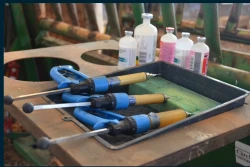
The highest quality vaccine that producers purchase may be of little value if not handled and stored properly. Don’t overlook key principles when preparing and administering vaccines and other animal health products.
Diarrhea in neonatal calves is one of the leading causes of morbidity (sickness) and mortality (death) in North America and Europe and continues to be a major cause of economic loss to the beef cattle industry.

The addition of any new animal creates the potential to introduce disease into the resident herd. Work with your clients to develop a protocol to help prevent this.

Weaning is time to focus time and management on ways to eliminate stress, maintain health and maximize the value of weaned calves, but also a critical time to manage the cow herd.

Early fall calving herds face a challenge from the high temperatures of late summer. The primary challenge is the impact those temperatures can have on newborn and young calves.

Imagine if we could determine adaptive qualities of our cows before investing the development cost of replacement heifers, building an adaptive herd over time.

No rancher wants to sell cow-calf pairs in May, but that’s exactly what’s happening at Stockmen’s Livestock Exchange in Dickinson, North Dakota. Extreme drought conditions brought 700 pairs to the sale last week.

Cyanobacteria, also known as blue-green algae, can produce toxins that are harmful to livestock, wildlife and people. The growth of this bacteria is aided by high temperatures.

Vytelle announces the release of the Top 150 Proven Bulls, a list compiled using data collected by Vytelle SENSE systems and Vytelle INSIGHT analytics services, formerly known as GrowSafe Systems.

Good records are essential with VFD feeds as well as any medications to ensure proper withdrawal periods are observed. All VFD feed records must be kept, and available for inspection for two years.

Early weaning is one of the management decisions that can help reduce pressure on native pastures and extend forage supplies for adult beef cows. Beef calves can be early weaned successfully from 60 to 150 days of age.

Internal parasites cause a variety of clinical signs, including weight loss, diarrhea and death. Other, less obvious parasitic signs, (often referred to as subclinical signs), significantly impact producers.

NCBA spearheaded introduction of the larger HAULS Act in both the Senate and House, and worked to get the backend 150 air-mile exemption included in the Surface Transportation Investment Act.

When considering how to plan for a fly and tick control program for your cattle operation it is important to know the difference in application methods and their specific longevity in relation to adequate control.

When commodity feed prices become high, cattle producers should consider options for getting more out of their livestock feeds. Using other methods to get more nutrients out of the feed is now cost effective.
A critical component of cow herd health is a breeding herd vaccination strategy. Unfortunately, there is no one-size-fits-all vaccination plan.

With breeding season approaching, cattle producers must develop or modify management plans in anticipation of a drought to keep the most productive and valuable cows in the herd.
Worms, flies, ticks and lice are all costly to beef producers.

This week we discuss the EPDs to consider when selecting bulls that will be used as rotational sires. A rotational sire is a bull from which daughters will be retained to develop as replacements in our cowherd.

When calving in early spring with lush pastures we can find mature cows that are in otherwise good condition with unusual behaviors, unsteady gait or inability to rise—early signs of both grass tetany and milk fever.

Breeding season is just around the corner and it’s time to consider your investment in genetics to maximize the profit potential of the calves that will be born next year.

Cows are beginning to calve and some newborns are certain to be cold stressed. Getting those calves back to normal body temperatures as soon as possible will save some calves and increase the vigor of others.

Despite our best efforts at bull selection and heifer development, cows or heifers occasionally need assistance at calving time. Here are recommendations on when to provide calving assistance for cows and heifers.

In the midst of one of the mildest winters in North Dakota history, many ranchers are faced with lice infestations in herds even though they have treated their cattle.

The most likely candidates for “inadequate” passive immunity are calves born to first calf two-year-old heifers. Calves with inadequate passive immunity remain at higher risk to illness prior to weaning.

Resistance to disease is greatly dependent on antibodies or immunoglobulins. Passive immunity gives temporary protection by transfer of certain immune substances from resistant individuals.