
Beef - General

If we, who believe animal-derived proteins are good for people, do not share animal agriculture’s story, those who wish to diminish or eliminate animal agriculture from the food system will lead the conversation.

The Cattlemen’s Profit Roundup symposium at the American Gelbvieh Association convention, Dr. Kim Stackhouse-Lawson described the emotional and scientific struggle that has become the platform for sustainability.

Late May and June typically produce the first heat events of the season when temperature, humidity and feed intake will significantly impact water consumption by feedlot cattle.

Erosion that occurs with flooding increases the chance that animals will ingest the spores of anthrax, a disease in cattle, humans and other species caused by a bacteria known as Bacillus anthracis.

Memorial Day weekend is known as the unofficial kickoff to grilling season. Even with the push to more plant-based proteins, meat is still in high demand. Millennials are one of the largest groups of meat eaters.

USDA’s National Institute of Food and Agriculture announced an investment of more than $5 million to mitigate antimicrobial resistance across the food chain.

Consumers are interested in how animal agriculture affects health and wellness, environmental stewardship, animal welfare and worker safety. Now is the time for a more robust and meaningful conversation.

Merck Animal Health is introducing AROVYN – a broad-spectrum antibiotic that treats the major organisms associated with bovine respiratory disease, foot rot and pinkeye.

Programs to help U.S. farmers build markets overseas boosted agricultural exports by an average of $9.6 billion annually from 1977 to 2019, representing 13.7 percent of total agricultural export value, says a new study.

Drought is not a new issue to cow-calf producers, but many factors make this year unique. Kansas State will host a webinar to help producers weigh options on May 19.
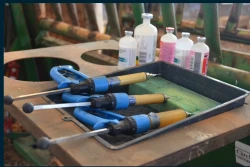
Vaccination plans are only one pillar in an effective herd health program and should be viewed as a mechanism to minimize risk of disease.

While most beef production operations are still pasture-based, confinement facilities are gaining traction in the U.S. With them come a host of routine health concerns for veterinarians and producers.

Merck Animal Health announced a $250,000 donation to Iowa State University to support the new Veterinary Diagnostic Laboratory.

A new poll of global consumers suggests they’re not giving up beef burgers for environmental reasons, but the study itself maligns livestock production with faulty claims.

An emergency preparedness plan can assist a cattlemen’s ability to respond to varying threats. Developing a disaster plan is a good idea for both people and all the animals they care for on a farm or ranch.

Elanco Animal Health and Ducks Unlimited announce results from the year-one effort of a multi-year initiative to restore working grasslands in western Kansas.

These goals and targets aim to identify and supplement sustainability practices and support the collection of benchmarking data for current industry sustainability efforts.

With spring upon us and drought persists, liquidation puts the industry on track to reduce the nation’s cowherd back near 2014 levels, which was the smallest beef cowherd since 1952.

Prior to testimony at the House Agriculture Subcommittee on Wednesday, Tyson Foods Inc. President and CEO Donnie King released a statement to give his perspective about cattle and beef market practices.

North Dakota’s weather took a sharp turn with a blizzard Easter week. With multiple blizzard making it though for ranchers, and then heavy rain that fell this past weekend, portions of North Dakota are seeing flooding.

Beef producers are always looking for an efficient steer to feed. Perhaps none was better than a calf raised near Kokomo, Ind.

Next week will be a good one for folks with good internet access and a few free hours who want to see some rhetorical fireworks about cattle price discovery.

Feeding cattle industrial hemp may reduce stress levels and increase the time cattle lie down, Kansas State University researchers found in a recent study.

Central North Dakota seems to be the bullseye for the blizzard, with forecasts showing that area could see more than two feet of snow, along with winds that could cause white-out conditions.

Probiotics may not be as beneficial for animal and human health as people think, according to recently published research at Kansas State University. Here’s why.

A substantial portion of beef advertised as “raised without antibiotics” may, in fact, contain antibiotics, according to research by George Washington University published in Science Magazine.

Access to livestock drugs through over-the-counter (OTC) channels was curbed considerably starting in 2017. Soon, OTC antibiotics may no longer be available through traditional channels at all.

Jury deadlocks over price-fixing, bid-rigging allegations by poultry executives. Prosecutors suggest a third trial but the U.S. District judge wants a explanation from the head of the DOJ’s Antitrust Division first.

Four U.S. Senators announced they have introduced a revised Cattle Price Discovery and Transparency Act and will push for a hearing on the bill by the Senate Agriculture Committee in the coming weeks.

A foreign leader addressing a joint session of Congress this week was a rarity. Not to be outdone, the partisan and often cantankerous members of the U.S. Senate passed legislation unanimously on a voice vote!