
Education

The time of consistent heat stress is upon us. Heat-stressed cows produce less milk, have reduced fertility, and have higher SCC. Providing proper heat abatement can have both an economic and welfare impact on the farm.

A heat index crisis hit in southwest Kansas on June 11. Cattle were lost. Dr. Tera Barnhardt, DVM, MS, shared what happened to educate people and counter misinformation. Our condolences to those affected by the tragedy.

After seeing the devastation of a major heat stress event, consider these strategies to help mitigate heat stress issues in the herd.

Research has shown weaning weights can be increased by over 30 pounds and pregnancy rates by over 10% by deworming cows in the spring and again in mid-summer.

This week, dangerous heat is sweeping across Texas to Wisconsin to Ohio to Georgia.
We now know the beneficial influence of feeding transition milk to calves. Is there a way to deliver that nutritional and immunological support and bypass the tedious process of harvesting and feeding transition milk?

These images depict a steer calf that had been on feed for 272 days with no treatment history when it was found dead in the pen.

Producers can capture added value by preconditioning and weaning their calves. Along with weaning at least 45 days, preconditioning includes several practices that add value for both the buyer and seller.

In hot summer conditions, heat transfer failures cause accumulation of body heat resulting in heat stress, reduced performance, animal discomfort, or death. Here’s some tips to help get your cattle through high temps!

Infectious bovine keratoconjunctivitis can take a toll on cattle, especially calves. Three bovine veterinarians provide their insights on diagnosing the problem and when to use and not use antibiotics for treatment.

The sooner calves eat enough dry feed to sustain themselves, the better equipped they are to bridge the nutritional gap between the fixed liquid ration and a weaned diet of solely dry feeds.

A researcher explores the intricacies of fecal pH and explains how changes in the metric can be an early signal of digestive and health disruptions in dairy cows.

Creep grazing programs can produce additional calf gains using forage rather than the traditional grain-based creep diets. There are many ways to adapt this system to each individual situation.

Late May and June typically produce the first heat events of the season when temperature, humidity and feed intake will significantly impact water consumption by feedlot cattle.

Know when to cut and when to run. With the former, Amanda Hartnack, DVM, recommends fixing those hernias in the field that are no larger than 10 to 15 centimeters.

Jesse Goff, Iowa State University dairy veterinarian and professor, attributes hypocalcemia, including the subclinical stage, to metabolic alkalosis. He says the issue has to do with potassium in forages being fed.

Proper body mechanics are important to helping bovine veterinarians minimize injuries on the job. Here are six ways to minimize physical wear and tear as you go about your work.

As drought continues in the Great Plains, producers are making hard decisions about cowherd management and feeding options, but cost of production and opportunity costs must be carefully evaluated.

Its name sounds like something that belongs in the pages of a Dr. Seuss book. But festulolium actually is a highly useful hybrid forage grass – the result of a cross between fescue grass and ryegrass.

Three bovine veterinarians share some of their best practices, tools and insights for conducting necropsies more effectively and efficiently.

Developed by a team of veterinarians, students and regulatory agencies, the app will help rural practitioners evaluate problems in the field and determine whether issues they see are part of a greater pattern.

Check out the photographs of nine common problems Dr. Ahmed Tibary, Washington State University, says he most often sees in the sperm of bulls that fail breeding soundness exams.

The right tools can make quick work of a routine necropsy, according to Dr. Dee Griffin. The opposite is true, too. He says buy a motorized sharpener, a single bit ax and. of course, the best knives you can afford.

Asian longhorned ticks are moving across the U.S. Calves are particularly vulnerable to them. Of course, a variety of tick species are problematic for cattle and need to be addressed each year.

Dr. Pedro Melendez, a veterinarian and dairy specialist at Texas Tech University, addresses five sources of shrink that can cause substantial losses in terms of feed used, ration formulation and poor performance.

All feed types are costing more, and there’s no way around that. However, several management practices can be used to potentially lower costs without sacrificing cow health or the animal’s next lactation.

To help producers obtain a lower SCC, it is important to know what you are up against in the herd and how to treat for specific problems, says Peter Edmondson, DVM.

Estrus synchronization can be an important management tool to get cows settled as early in the breeding season as possible and get cows bred to bulls with highest possible genetic value.
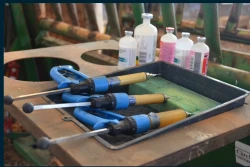
Vaccination plans are only one pillar in an effective herd health program and should be viewed as a mechanism to minimize risk of disease.

Flies are a nuisance and contribute to lost productivity on the dairy. Controlling flies requires an integrated management plan that includes inspection, sanitation, treatment and monitoring.