
Dairy Cattle

Much of the West, Southwest and upper Midwest could use more moisture. Beef and dairy producers and their veterinarians might want to do some contingency planning for what’s shaping up to be a dry spring.

Have you ever wanted to post on social media but were worried about potential backlash? Knowing how to handle contentious issues online can help people understand the animal agriculture’s commitment to animal care.

While Lindsey Worden has remained with one employer since college, her passion for dairy could “easily fill a barn.” She illustrates that with a readiness to embrace change and seize opportunities, tremendous achievements are attainable. Her leadership at the Holstein Association is paving the way for innovations benefiting producers and the industry for years to come.

The dairy cattle market is currently experiencing an unprecedented surge in demand, creating a bustling atmosphere in the industry. As the competition heats up, market players are closely observing what is currently trending – is it beef-on-dairy calves or the traditional dairy replacements and fresh cows?

In the world of dairy farming, maximizing milk quality and cow comfort is paramount. Dr. Andy Johnson, famously known as ‘The Udder Doctor,’ has been at the forefront of this mission. With experience ranging from small farms with 20 cows to large-scale operations with 22,000 cows, Dr. Johnson’s insights have reached dairies across 30 countries and 47 states.

Sec. Mike Naig says the U.S. government is using what he describes as a three-legged stool approach to address the virus in the dairy and poultry industries.

As the nation grapples with immigration policy debates, the livelihoods of those within the dairy sector hang in balance, underscoring the urgent need for balanced reform that considers both economic imperatives and humanitarian values.

Cold, snow, wind, and more – winter in the northern climates brings extra challenges for dairies and their animals.

Monitoring heifer growth, and making management decisions based upon it, is proving to be an increasingly important practice to strike the delicate balance between economizing heifer development and breeding them at the correct stage to maximize their performance as mature cows.

Research shows feeding frequency has less impact on preweaned dairy calves’ performance than the total nutrients provided, despite logic suggesting more frequent feedings would help.

The increased use of aspirin (acetylsalicylic acid) to treat pyrexia and pain in dairy cattle infected with highly pathogenic avian influenza (HPAI) H5N1 prompted FDA to issue a warning to producers and veterinarians in October.

The report echoes calls by other scientists to ramp up the surveillance of felines, which are susceptible to the virus and have a high mortality rate. The AVMA says several cases in cats linked to poultry or wild bird exposure had been reported before the outbreak began in dairy cows last spring.

California native Serena Schotanus, a Kansas State University College of Veterinary Medicine student, is named the award recipient.
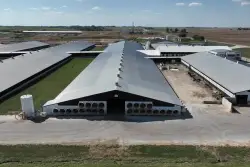
A decade into the partnership, GenoSource has grown into more than the original partners ever imagined. The dairy now involves eight families, who all love Holsteins and share a goal of creating a more sustainable future for the next generation.

Any existing herd health problems are amplified by HPAI H5N1, practitioners report. Some are asking regulatory agencies for more consistent testing and reporting protocols. They are also encouraging producers to invest dollars in better nutrition and cow comfort resources.

Scientists are ringing bells of warning about this virus, telling us to take action now. I hope we’re listening.

Nearly half of all farmworkers are undocumented, and industries such as dairy and meatpacking plants are especially vulnerable to labor shortages.

Here are five ways to help producers think through and process the decision to remove an animal from the herd.

Vigilance with vaccination protocols and calf management can help prevent BRD on the dairy.

Strategically planning a dairy cow’s transition out of the herd can maximize meat quality, carcass yield, and overall profitability.

Learn how one dairy carved out their dream in the Alaskan wilderness.

In a USDA study, 7.9% of U. S. cow-calf operations were found to contain one or more Johne’s positive cows.

A recent study at Kansas State University highlights some of the benefits.

How this Iowa dairy boosts their bottom line with genomics and crossbreeding.
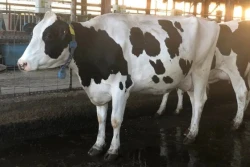
Activity and rumination monitoring systems -- precision cow monitoring -- can revolutionize the way a dairy manages its cows. Or they can pile up frustrations and create greater expense without adding value.

This package aims to introduce notable changes, including a higher price for marketed milk, which could significantly impact the dairy industry.

Multiple studies indicate there are potential connections.

A partial answer to addressing the work ruts that recent graduates can get into is a counterintuitive measure. We sometimes need to pull them off the front line.

Bovaer is a powdered feed supplement that blocks an enzyme involved in methane formation reducing the amount of methane emitted by each animal.

Compared to five years ago, today’s Holstein springer values are double to triple and still on the rise.