

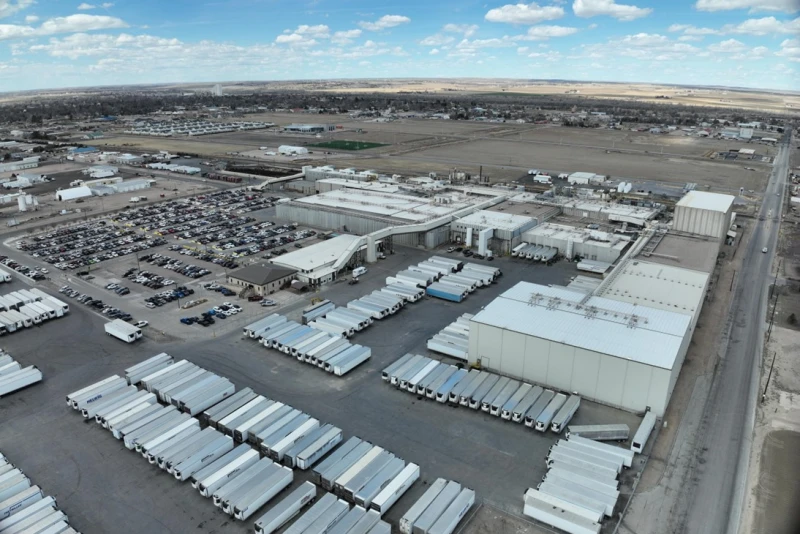
Cargill plans to invest nearly $90 million in automation and technology at its Fort Morgan, Colo., beef plant over the next several years as part of its broader Factory of the Future initiative aimed at improving operational efficiency, yield and worker safety, the company announced Thursday.
“We’re at an extremely challenging point in the cattle cycle for packers with tight supplies and margins,” says Jarrod Gillig, senior vice president of Cargill’s North American beef business. “But now is the time we need to step up and make investments in our facilities to make sure they are working efficiently.”
The company has already put $24 million into technology upgrades at the plant since 2021. One of the newest tools to be deployed will be CarVe, Cargill’s proprietary, patent-pending computer vision system that measures red meat yield in real time. The technology gives managers instant feedback to help workers refine cutting techniques and reduce waste.
“I grew up on a farm/ranch and am blessed to still be active in our family’s cattle operation today, so I understand the importance of honoring the whole animal and doing right by the hard work of the ranchers and farmers who raise them. With tools like our new CarVe computer vision technology, we’re able to keep more high-quality protein in the food system, cut down on food waste, and make each animal count. That matters more than ever today.”
“Before CarVe, yield data was always yesterday’s news,” Gillig says. “Now, we’re making decisions in the moment and saving product that would’ve been lost.”
Even a 1% improvement in yields could save hundreds of millions of pounds of beef annually, a meaningful gain at a time when U.S. cattle supplies are at their lowest levels in years.
“With CarVe, we are not replacing employees, it is empowering them to work more efficiently and effectively and helping us maximize the carcass,” Gillig summarizes.
The company has also invested in the Fort Morgan community, backing a $40 million workforce housing initiative that includes new townhomes and an 81-unit apartment complex scheduled to open this fall. Cargill has provided more than $500,000 in grants to local nonprofits for childcare access and housing-related support.
“Fort Morgan plays an important part in Cargill’s critical role as a food company to the nation and the world,” Gillig adds. “By partnering with local ranchers and farmers in Colorado and the region, we’re working hard to produce more food with less impact there so we can move it to store shelves and ultimately family dinner tables across the country.”
Your Next Read: Four Key Takeaways from the CattleFax Cow-Calf Survey


