
Smart Farming

Reproductive physiologist Cara Wells says today up to 20% of transferred embryos have virtually zero chance of making a pregnancy and explains how video, AI and better selection can turn those losses into live calves.

As the data flood outpaces the clock, dairy producers are outsourcing their intuition to advisers who can turn high-tech sensor points into real-world margin protection.

From Wisconsin to New York, dairy leaders are trading clipboards for cloud-based logic, building a digital nervous system to master margins and protect a 250-year legacy.

With annual returns up to 500% and a massive reduction in lameness costs, discover why AI-powered computer vision is the high-ROI investment redefining modern dairy profitability.

This California dairy leverages “tech-forward” automation and data to build a robust biosecurity shield against HPAI, ensuring a resilient and mediocrity-free future for his herd.

Study shows artificial intelligence and thermal cameras can estimate body temperature in cattle.

This California dairyman blends a 100-year legacy with vision tech and automation to help slash lameness and prove data-driven care is the future of cow comfort.

Pattern recognition with artificial intelligence is helping cattle operations notice changes in cattle health, management and economics earlier.

Having your information compromised is a matter of when, not if, says Chris Sherman from Tech Support Farm.

It might not happen today, tomorrow or next week, but artificial intelligence (AI) will soon become an integral operational tool on many U.S. dairy farms, according to Miel Hostens with Cornell University.

The Budweiser plant in Columbus, Ohio, has an additional demographic — 600 Holstein cows

When it comes to nutrition, we certainly aren’t in Kansas anymore.

Giving heifers some practice time with an automated milking system before calving could help them adapt faster and boost milk production during the first few weeks of lactation.


In the heart of central California, Lumar Dairy stands as a dynamic example of how commitment to heritage and openness to change can coexist and thrive.

Researchers continue to seek methods of monitoring animal health and welfare to anticipate health setbacks and improve the animals’ lives. The latest tool to do so: saliva.

Researchers are using gene editing techniques to introduce beneficial traits like polled and disease resistance, as well as exploring innovative approaches like surrogate sires.
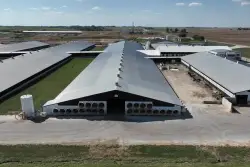
A decade into the partnership, GenoSource has grown into more than the original partners ever imagined. The dairy now involves eight families, who all love Holsteins and share a goal of creating a more sustainable future for the next generation.
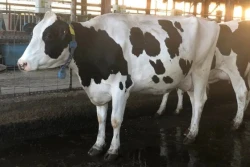
Activity and rumination monitoring systems -- precision cow monitoring -- can revolutionize the way a dairy manages its cows. Or they can pile up frustrations and create greater expense without adding value.
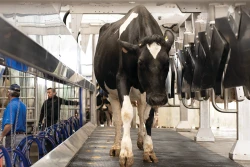
Three producers open up and share about their journey of innovation and technology as a way to spell longevity to their dairy operations.

The SENSEHUB monitoring ear tag incorporates a blinking LED light so workers can quickly and easily locate those animals and apply appropriate interventions.
Once a technology becomes a boring experience it means it has become proven, well-adopted, and easy to utilize. There are three “boring” technologies silently shaping the industry.

If you’ve flown internationally recently, you may have had a first-hand experience with facial recognition software.Now that technology has found its way to the dairy parlor.

VES-Artex has recently unveiled a new soaking system, Intelligent Soaker 2.0, which is designed to help alleviate heat stress while significantly reducing water usage on dairy farms.
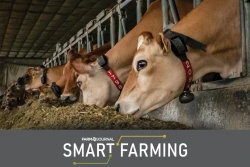
By integrating complex biosensors technology onto our farms, we are now capable of knowing more about our cows’ bodies than ever before.

Cows have a job, and that job description will vary from ranch to ranch. Have you taken time to write down what cows need to do to earn their keep?

Keeping cows, calves and employees comfortable during the winter months is a balancing act. However finding the right combination between keeping animals warm while also providing adequate air exchange is essential.