
Dairy Biosecurity

Researchers detected infectious H5N1 virus in milking parlor air and wastewater systems while also identifying possible subclinical infections in cattle.

Cattle moving from unaffected states no longer have to test for H5N1 avian influenza first.

From the evolving H5N1 virus to the looming screwworm threat, discover why a line of separation is the new strategic foundation for safeguarding the U.S. milk supply in 2026.

This California dairy leverages “tech-forward” automation and data to build a robust biosecurity shield against HPAI, ensuring a resilient and mediocrity-free future for his herd.

The affected herd is located in Charlevoix County, located west of Michigan’s Modified Accredited Zone (MAZ), where the disease is known to be present in the state’s white-tailed deer population. The detection follows identification of bovine TB in an adult cow at a USDA Food Safety Inspection Service-inspected processing plant.

It’s time to start thinking about how to protect herds from New World screwworm before it reaches the U.S.

Officials have confirmed the first case of highly pathogenic avian flu in a Wisconsin dairy herd.

Many larger dairies report having biosecurity protocols in place, according to a Farm Journal survey, but there are gaps in the relevancy of plans, farm security, hygiene and herd health practices, and training.

The USDA Animal and Plant Health Inspection Service National Veterinary Services Laboratories have confirmed their first detection of highly pathogenic avian influenza (HPAI) in a dairy cattle herd in Nebraska.

As we aim for improved biosecurity measures, understanding both the challenges and solutions will pave the way for better practices on calf ranches, ultimately creating a win-win situation for both calves and humans

Authorities say it cannot be ruled out at this time that the virus was not of natural origin, and the country may be dealing with an artificially engineered virus.

Keep unwanted visitors out by buttoning up your biosecurity measures to prevent the introduction and spread of infectious diseases and pathogens.

When a virus moves into a new geographical range or is reintroduced into a country that has maintained a negative status for a long period, SHIC’s Megan Niederwerder says it’s critical to reassess the risk to the U.S.

Zonneveld Dairies, Inc., a 10,000-cow dairy operation in California provides valuable insights from their experience navigating HPAI.

The outbreak, discovered in the city of Gyor, is the first outbreak of foot-and-mouth disease outbreak reported since 1973.

2024 was a year that confronted APHIS with new challenges, forcing the agency to find new and creative solutions to animal and plant health threats, says APHIS Administrator Michael Watson.

The current outbreak underscores the importance of biosecurity measures, rapid response and vigilance to protect agriculture and livestock from this economically devastating disease. Here’s the latest on FMDV.

California State Veterinarian Dr. Annette Jones has issued a statewide ban on dairy cattle and poultry exhibitions to combat the spread of H5N1 Avian Influenza. The ban will remain in place until the outbreak is under control—here’s what you need to know.

California Governor Gavin Newsom has declared a State of Emergency to address bird flu in California dairy cattle, ramping up monitoring, quarantine efforts, and resource deployment.

Randy Mooney, board chair of the National Milk Producers Federation emphasized the increasing changes impacting dairy farmers today are more seismic than ever at the recent joint annual meetings between United Dairy Industry Association, National Dairy Promotion and Research Board, and National Milk Producers Federation in Phoenix, Az.

National disease prevention relies on systematic monitoring and biosecurity to protect animal health, trade, and economic resilience against outbreaks like Highly Pathogenic Avian Influenza.

As we near 200-herds being impacted by highly pathogenic avian influenza (HPAI), the USDA says work is moving forward on a vaccine.
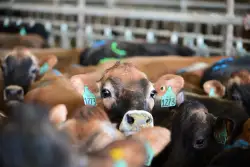
The latest USDA Milk Production Report reveals the true impact HPAI has had on dairies.

Kansas, Nebraska, New Mexico and Texas are participating in the voluntary pilot program. Additional testing for the virus is also underway in aged raw-milk cheese, cream cheese, butter and ice cream.

Shared employment, housing and movement of employees between facilities are possible factors. Such insights could potentially be leveraged to address biosecurity needs in the state and others as well, the agency says.

APHIS issued its final rule on animal ID that has been in place since 2013, switching from solely visual tags to tags that are both electronically and visually readable for certain classes of cattle moving interstate.

Federal officials are seeking to verify the safety of milk and meat after confirming the H5N1 virus in nine states since late March. The public health risk is low, but is higher for those exposed to infected animals.