
Beef Biosecurity

Australian authorities said this week they have detected “viral fragments” of foot and mouth disease on a small number of products entering the country from Indonesia and China.

The addition of any new animal creates the potential to introduce disease into the resident herd. Work with your clients to develop a protocol to help prevent this.

A single case of classical bovine spongiform encephalopathy (BSE) was confirmed by British animal health officials on Friday.
North Dakota is one of those areas that has been dealing with drought for months, and now another concern, after anthrax was found in a cattle herd in Kidder County last week.

The number of dogs being imported into the U.S. for resale from countries affected by ASF is growing. Combine that with an increasing risk of foreign animal disease spread, and it’s a formula for potential disaster.

Cargill is the second beef processor to invest in the effort formed by multiple state cattlemen’s organizations to develop a national infrastructure for animal disease traceability in the U.S. cattle industry.

The Pirbright Institute is tackling three deadly livestock viruses: porcine reproductive and respiratory syndrome virus and African swine fever virus in pigs and bovine respiratory syncytial virus in cattle.
Each year, several thousand dogs enter the U.S. for resale or adoption. In a recent Hogs on the Hill article, NPPC chief veterinarian Liz Wagstrom wrote that it’s time to sound the alarm on importing rescue dogs.

Nearly 900 cows are set to be euthanized by Spanish authorities fearing bluetongue after the cattle drifted for more than two months on the Mediterranean Sea while the owners searched for a buyer.

FADs are a constant threat to the livestock industry. The country is more tuned in to this struggle than ever before with the recent COVID-19 pandemic. National Pork Board’s Dave Pyburn and NCBA’s Ethan Lane discuss why.

If the COVID-19 pandemic has taught the country anything, it’s that there is a tremendous amount of synergy between the circumstances of a pandemic involving humans and those involving animals.
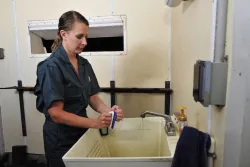
Putting biosecurity protocols in place can help reduce the risk of disease being transferred to not only livestock, but to humans as well.

A Texas Tech researcher has received funding from both USDA and NCBA for a project to evaluate the distribution of antimicrobial resistance (AMR) genes and the occurrence of horizontal gene transfer in high-risk cattle.