
Veterinary - General

With food recalls skyrocketing, one might find it hard to discern whether they’re reading a current USDA Food Safety and Inspection Service report or a chapter straight out of Upton Sinclair’s 1906 novel “The Jungle.”

Under the regulation, FSIS would classify certain Salmonella levels and serotypes in raw poultry products as adulterants and, therefore, prohibit them from entering the food supply.

While some operations are increasing cow numbers, there are a couple segments decreasing numbers or exiting for good.

Topics include genetic modifications in livestock, yield grades and a beef industry economic outlook.

Trump agenda | Delay in China tariffs | Dollar tumbles | Biden issues family pardons | Vilsack criticizes EPA report on biofuels | Putin open to dialogue on Ukraine with Trump | Buller chief of staff at USDA

2024 was a year that confronted APHIS with new challenges, forcing the agency to find new and creative solutions to animal and plant health threats, says APHIS Administrator Michael Watson.

The current outbreak underscores the importance of biosecurity measures, rapid response and vigilance to protect agriculture and livestock from this economically devastating disease. Here’s the latest on FMDV.

The increased use of aspirin (acetylsalicylic acid) to treat pyrexia and pain in dairy cattle infected with highly pathogenic avian influenza (HPAI) H5N1 prompted FDA to issue a warning to producers and veterinarians in October.

Meteorologists say the active start to January is a sign of what’s ahead with concerns about drought, more cold and a sharp divide in areas of the country seeing too much moisture versus not enough.

The report echoes calls by other scientists to ramp up the surveillance of felines, which are susceptible to the virus and have a high mortality rate. The AVMA says several cases in cats linked to poultry or wild bird exposure had been reported before the outbreak began in dairy cows last spring.

For the first time in nearly 40 years, an outbreak of foot-and-mouth disease (FMD) has been confirmed on the outskirts of Berlin.

California State Veterinarian Dr. Annette Jones has issued a statewide ban on dairy cattle and poultry exhibitions to combat the spread of H5N1 Avian Influenza. The ban will remain in place until the outbreak is under control—here’s what you need to know.

The pest can travel on humans, vehicles, pets, livestock and even on some wildlife species — all of which increase the likelihood it could eventually enter our country.

The U.S. Department of Health and Human Services (HHS) announced on Jan. 3 that it will award $306 million to continue its H5N1 Avian Flu response.

Any existing herd health problems are amplified by HPAI H5N1, practitioners report. Some are asking regulatory agencies for more consistent testing and reporting protocols. They are also encouraging producers to invest dollars in better nutrition and cow comfort resources.

When dairy farmers think about animals impacted by cold stress, calves are often the first that come to mind. However, it’s important to remember that cold stress doesn’t just affect calves—it can also significantly impact heifers.

Nearly half of all farmworkers are undocumented, and industries such as dairy and meatpacking plants are especially vulnerable to labor shortages.

Veterinarians can earn one Registry of Approved Continuing Education (RACE) credit for attending.

California Governor Gavin Newsom has declared a State of Emergency to address bird flu in California dairy cattle, ramping up monitoring, quarantine efforts, and resource deployment.

Here are five ways to help producers think through and process the decision to remove an animal from the herd.

NCBA Policy director urges cattle producers to be diligent and watch for New World screwworm flies.

Top Story
USDA approves funding to bolster efforts to prevent further spread through surveillance, animal health checkpoints and domestic preparedness.

Two weeks after the pest was detected in a Mexican cow, U.S. officials remain focused on the health and wellness of U.S. livestock.

The Nov. 22 closing of the southern border to cattle imports from Mexico due to detection of New World Screwworm in a cow brings up questions regarding the history and future of trade with the country.

One of the questions veterinarians are helping cow-calf producers answer is whether it’s a better decision to raise their own calves or buy them.

There are warning signs that can help you determine whether it’s needed. Here are six to consider.
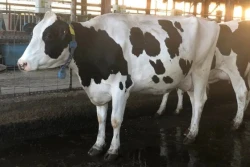
Activity and rumination monitoring systems -- precision cow monitoring -- can revolutionize the way a dairy manages its cows. Or they can pile up frustrations and create greater expense without adding value.

Marsh stepped into his Purdue role on November 4 as dean and clinical professor of veterinary medicine, with a focus on Purdue’s One Health initiative. He succeeds distinguished veterinary pathologist and campus leader Willie Reed.

Haven’t had to correct an employee on proper protocols lately? Then you should be very concerned.

Here are some basic rules of thumb to follow when determining the hay supplies you will need to sustain your cow herd over the next few months.