

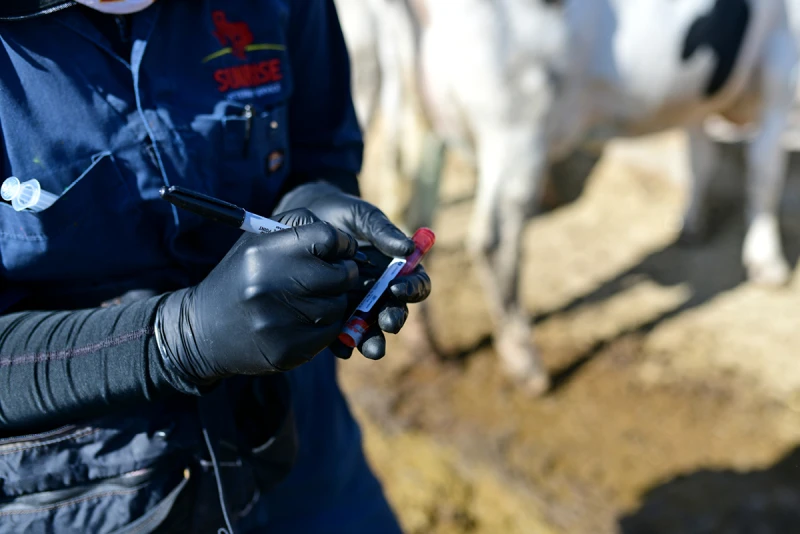
Oregon has confirmed its first human case of highly pathogenic avian influenza (HPAI) in 2026 in a dairy worker who was exposed to infected cattle at a Morrow County farm.
The worker developed mild symptoms, including conjunctivitis and upper respiratory issues, and was treated with the antiviral medication oseltamivir. The person did not require hospitalization. The Oregon Health Authority (OHA) announced the case Nov. 19 after the Oregon State Public Health Laboratory confirmed the infection Nov. 18.
Morrow County public health officials also offered antiviral treatment to members of the worker’s household as a precaution.
“This is not cause for alarm. Rather, it is evidence that the surveillance and response system we have in place is working,” says Melissa Sutton, M.D., medical director for respiratory viral pathogens at OHA.
“Our goal is to ensure that all symptomatic farm workers receive prompt testing and treatment to prevent severe disease. We appreciate the partnership with individuals on the farm during this challenging time,” Sutton says.
The human infection follows Oregon’s first detection of HPAI in dairy cattle earlier this month. A routine milk test conducted by the Oregon Department of Agriculture (ODA) flagged the outbreak, prompting the state to quarantine the farm and provide workers with personal protective equipment (PPE) and training.
Dr. Dean Sidelinger, Oregon’s state epidemiologist, says health officials expect to work with the farm for at least six more weeks, continuing to offer testing and treatment to workers.
“We don’t want it to be missed and be too far down the road to be able to do anything about it,” Sidelinger says.
Bird Flu Case Linked to Washington Dairy Cattle Outbreak
Genetic sequencing indicates the Morrow County outbreak is connected to the ongoing avian influenza outbreak in Washington’s Yakima Valley, where cases in dairy cattle have climbed quickly.
Washington confirmed its first two dairy cattle cases Oct. 8 in Yakima County. By mid-November, the state had reported dozens of affected herds, including 41 new cases over a 30-day period.
There is no indication cattle moved from the Yakima Valley to the Morrow County dairy. Instead, the virus may have traveled across state lines on muddy boots, vehicles or unclean farm equipment, says Ryan Scholz, Oregon’s state veterinarian.
“Typically that’s how we see this virus move within dairy sheds,” Scholz says.
The Morrow County dairy is relatively isolated, which Scholz hopes will help limit transmission to other Oregon farms. No additional Oregon dairy herds have tested positive in the two weeks since the initial detection.
How Many Human Bird Flu Cases Have Been Reported in the U.S.?
The Centers for Disease Control and Prevention (CDC) has reported 74 confirmed human cases of H5 bird flu in the U.S. since February 2024, with three reported deaths. Most infections have occurred among people with direct exposure to infected animals, including dairy cattle and poultry.
HPAI has been confirmed in dairy cattle in 23 states, including recent detections in Indiana, Oregon and Oklahoma.
Washington has reported three human infections associated with its recent dairy cattle outbreak. One of those individuals died Nov. 1 from complications associated with avian influenza. The individual had underlying health conditions.
Despite the reported infections, the virus is not currently known to spread from person to person. Human cases have primarily resulted from direct exposure to infected animals, and the CDC considers the risk to the general public low.
Oregon public health officials have monitored more than 300 people exposed to sick animals since 2022. Before the Morrow County case, the state had identified one human avian influenza infection in 2024 associated with a commercial poultry outbreak.
How Dairy Workers Can Protect Themselves From Bird Flu
Workers handling dairy cattle, raw milk or potentially contaminated equipment can be exposed to HPAI through direct contact, splashes or droplets, or by touching contaminated surfaces and then touching their eyes, nose or mouth.
The CDC recommends additional PPE for workers in medium- and high-exposure settings. For workers handling sick animals or working in parlors on farms with infected cattle, recommended protection includes:
- A NIOSH-approved respirator, such as an N95.
- Safety goggles to protect against splashes and droplets.
- Fluid-resistant coveralls.
- Disposable gloves.
- Boots or boot covers.
- A head or hair covering.
The CDC also recommends workers shower after their shifts, change into clean clothing and leave potentially contaminated work clothing at the farm for cleaning.
Workers should monitor themselves for symptoms during exposure and for 10 days after their last potential exposure. Symptoms can include eye redness or irritation, fever, cough, sore throat, runny nose, body aches, headache and fatigue. Anyone who develops symptoms after working with potentially infected animals should notify their employer and healthcare provider promptly. Early testing and antiviral treatment can help prevent severe illness.
For more on HAPI, read:
- HPAI Spreads to New States as Dairy Cattle Cases Climb
- HPAI Returns to Oklahoma Dairy Herds After More Than Two Years
- H5N1 Outbreak Renews Interest in Vaccination for Dairy Cattle
- Three States See New HPAI Cases Over the Past 30 Days
- New HPAI Cases in Washington Put Dairy Farm Biosecurity Back in Focus
- Two Years Later: Five Things We’ve Learned About HPAI in Dairy Cattle


