
Industry News

Outgoing USDA Secretary Tom Vilsack sent a letter to Mexico’s Secretary of Agriculture acknowledging the progress made in reopening cattle trade between the two countries following the detection of New World Screwworm, but says more action is needed to resume trade.

The increased use of aspirin (acetylsalicylic acid) to treat pyrexia and pain in dairy cattle infected with highly pathogenic avian influenza (HPAI) H5N1 prompted FDA to issue a warning to producers and veterinarians in October.

The report echoes calls by other scientists to ramp up the surveillance of felines, which are susceptible to the virus and have a high mortality rate. The AVMA says several cases in cats linked to poultry or wild bird exposure had been reported before the outbreak began in dairy cows last spring.

A more productive cowherd fuels the growth of beef production which in turn reduces the need to increase cow numbers to generate that same growth.

Tight cattle supplies will remain the primary driver in the new year and weather will have a significant impact on feed and forage availability, and cattle marketing patterns.

The pest can travel on humans, vehicles, pets, livestock and even on some wildlife species — all of which increase the likelihood it could eventually enter our country.

Any existing herd health problems are amplified by HPAI H5N1, practitioners report. Some are asking regulatory agencies for more consistent testing and reporting protocols. They are also encouraging producers to invest dollars in better nutrition and cow comfort resources.

Scientists are ringing bells of warning about this virus, telling us to take action now. I hope we’re listening.

The CR includes nearly $110 billion in disaster and farmer aid, which includes $10 billion in farmer aid and $21 billion ag disaster aid. $2 billion of that disaster aid is specifically for livestock producers. The measure also includes a one-year extension of the 2018 Farm Bill.

Nearly half of all farmworkers are undocumented, and industries such as dairy and meatpacking plants are especially vulnerable to labor shortages.

Veterinarians can earn one Registry of Approved Continuing Education (RACE) credit for attending.

The action comes as cases were detected in dairy cows on farms in Southern California, signaling the need to further expand monitoring and build on the coordinated statewide approach to contain and mitigate the spread of the virus.

Here are five ways to help producers think through and process the decision to remove an animal from the herd.

NCBA Policy director urges cattle producers to be diligent and watch for New World screwworm flies.

By inheriting hornless genes from her sire and dam, the purebred heifer named WSU Miss L120 will pass on the trait to all offspring.

Top Story
USDA approves funding to bolster efforts to prevent further spread through surveillance, animal health checkpoints and domestic preparedness.

Strategically planning a dairy cow’s transition out of the herd can maximize meat quality, carcass yield, and overall profitability.

The annual award, sponsored by Zoetis, recognizes outstanding achievements by a veterinarian in beef-cattle medicine.

The program is open to association members who graduated between 2017-24. The event is set for Feb. 14-15 in Norman, Okla.

Tyson Foods plans to permanently close a beef and pork plant in Emporia, Kan.

Biosecurity New Zealand has placed strict movement controls on a commercial rural Otago egg farm, after testing confirmed a highly pathogenic strain of avian influenza in chickens.

The Nov. 22 closing of the southern border to cattle imports from Mexico due to detection of New World Screwworm in a cow brings up questions regarding the history and future of trade with the country.

U.S. and Mexican officials are working together on pre-export inspection protocols before resuming live cattle imports into the U.S. The use of sterile flies is also a priority to help control the spread of NWS in Mexico.

A recent study at Kansas State University highlights some of the benefits.

Effective deworming along the Gulf Coast could mean including a flukicide to combat liver flukes.

How this Iowa dairy boosts their bottom line with genomics and crossbreeding.

Cattle groups support legislation to expand the use of livestock grazing as a tool to reduce wildfire risk, make grazing permits more responsive to range conditions, and remove regulatory barriers to the maintenance of critical infrastructure.

K-State placed high team in several categories and had four individual top 10 placers.
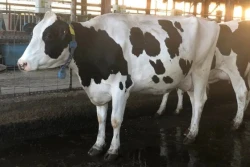
Activity and rumination monitoring systems -- precision cow monitoring -- can revolutionize the way a dairy manages its cows. Or they can pile up frustrations and create greater expense without adding value.

New research on the Y chromosome will allow geneticists to trace the paternal line in horses.