
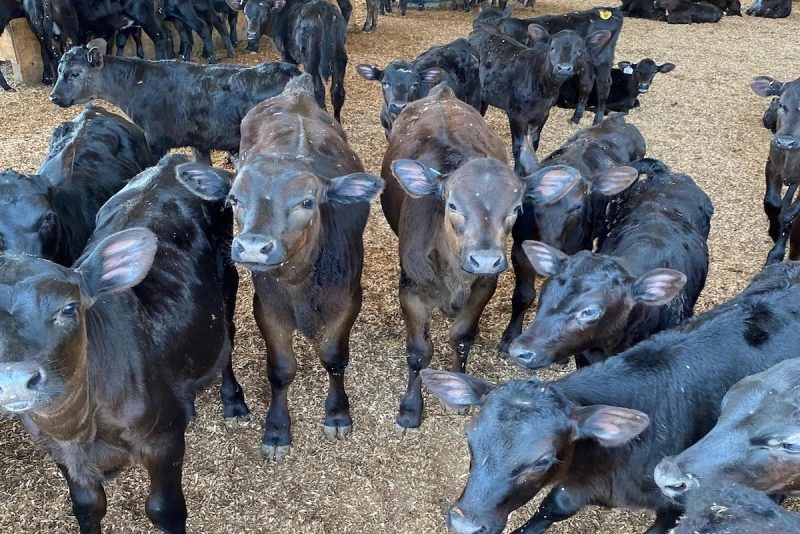
As the dairy industry embraces beef-on-dairy crossbreeding, a new type of animal is reshaping the U.S. calf and feedlot landscape. These calves, born on dairies but destined for the beef supply chain, are prized for their hybrid vigor, growth potential and carcass quality. Their journey often includes an early stay at commercial calf ranches, where young calves are reared in large groups under varying environmental and management conditions.
While these specialized facilities play a key role in raising thousands of calves efficiently, they also present unique animal health challenges. Calves arrive from multiple dairies, often within days of birth, and face stresses from transport, commingling and pathogen exposure. The industry has long suspected that respiratory disease dominates mortality at these sites, but until recently, detailed, systematic data to confirm those patterns were limited.
A new study by Rebecca Bigelow and colleagues from Kansas State University set out to change that. The study compiles data from over 240 necropsies performed across four different commercial calf ranches over a 12-month period documenting cause of death, concurrent conditions and whether these patterns shifted by season, sex, breed or location. These necropsies included both beef-dairy cross (152) and dairy calves (91). Their findings confirm respiratory disease is indeed the leading cause of death, but they also shed light on gastrointestinal (GI) disease and septicemia. Their work provides a valuable benchmark for working to improve early-life calf health.
Of the 243 necropsied calves, 67.5% of them had a primary diagnosis of respiratory disease. Gastrointestinal causes accounted for 11.5%, septicemia for 9.5%, and miscellaneous cases (including trauma, umbilical infection and liver abscesses) for the remaining 11.5%.
Most calves had no additional comorbidities recorded, but among those that did, respiratory plus another condition was the most common combination. Within the respiratory category, bronchopneumonia represented nearly 90% of cases, while bronchopneumonia with interstitial pattern was less frequent. Considering GI lesions, 49% of calves had no lesions, while 21% had upper GI lesions (rumen and abomasum), 13% had lower GI lesions (small and large intestine), and 30% had both.
One of the study’s more surprising findings was what didn’t change. Statistical modeling showed no significant associations between the likelihood of respiratory or GI diagnoses and season, sex, breed or ranch. This result suggests the underlying disease pressures in these systems are persistent year-round rather than being driven by environmental conditions or genetic background. Further, beef-dairy cross calves had no improved disease resistance compared to dairy calves under commercial rearing conditions.
These results can be summarized into the following takeaway points for animal caretakers:
- Prioritize respiratory prevention.
With two thirds of deaths linked to respiratory causes, calf ranches must focus on preventative strategies: proper ventilation, gradual group transitions and consistent monitoring for early signs of respiratory illness. Review vaccination programs and align them for protection at times of stress and exposure.
- Necropsies pay off.
Routine necropsy programs can help producers spot emerging disease trends before they escalate.
- Maintain consistent management year-round.
Prevention and monitoring must remain equally rigorous through all seasons, not just in winter or transport peaks.
- Collaborate across the production chain.
Calf health outcomes at ranches depend on colostrum management, navel care and nutrition practices at the dairy of origin, as well as transport and receiving protocols. Strong communication between dairies, calf ranches and veterinarians ensures continuity of care.


